

Login
Lost your password?
Register
Hai già un account? Accedi
Nuovo cliente? Crea un account
Continue As Guest
No products in the cart.
The Estate
and the Tower
The pace eases, and the landscape comes into focus.
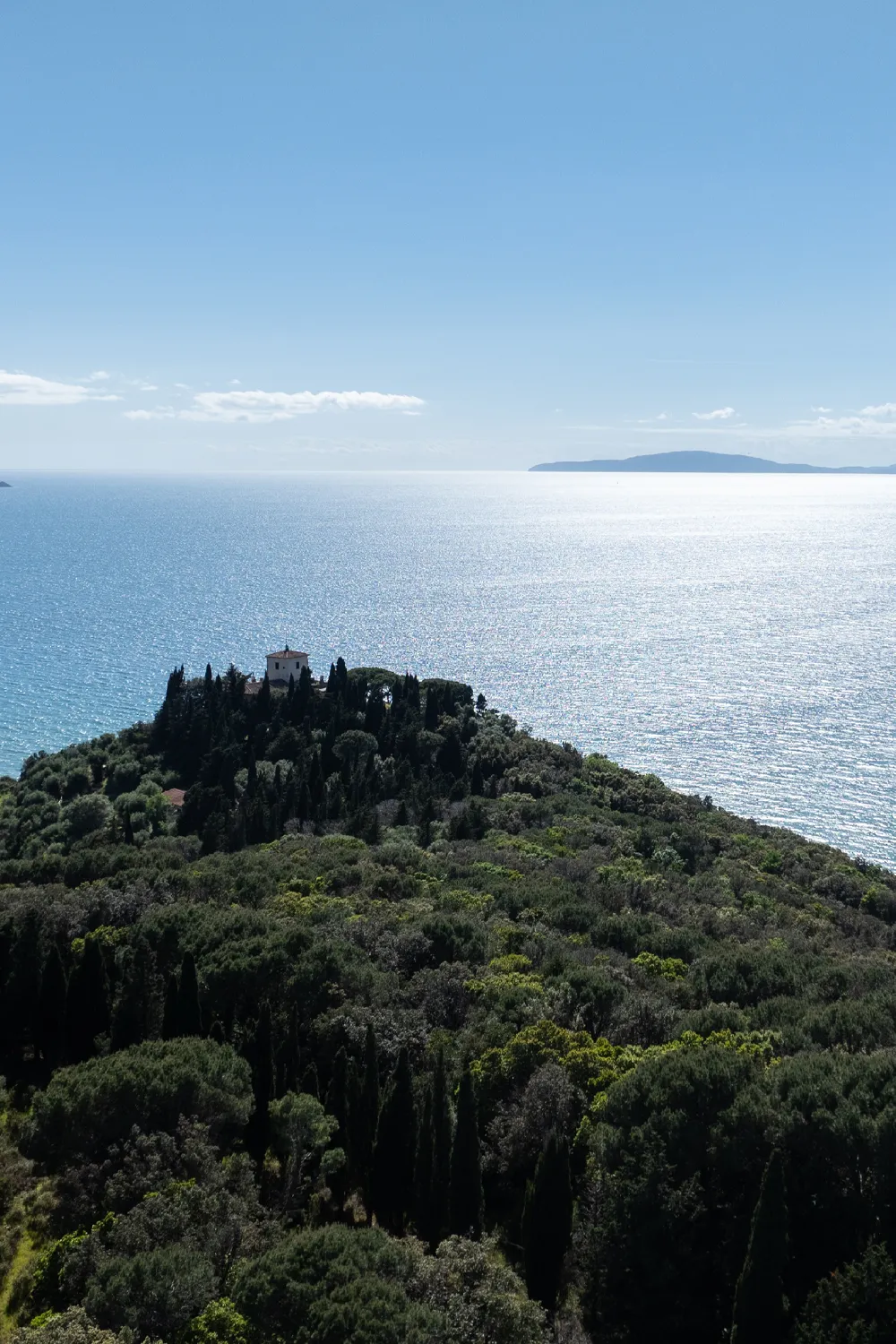
In the Tuscan Maremma, where the sea holds the land, Costa Oliva rises — a sixteenth-century watchtower built stone by stone, standing proud and silent on a promontory above the Tyrrhenian.
Guardian of five centuries of history and ancient legends, the tower overlooks a landscape that has stayed authentic, where nature is not scenery but the soul of the place.
Set within the Bandite di Scarlino, a reserve of rare environmental value, the estate forms a natural amphitheater sheltered by hills and open to the sea's salty breath.
Here the light is more intense, the wind purer. The fragrance of Mediterranean scrub — holm oaks, strawberry trees, and maritime pines — blends with the sea air in a continuous harmony of the senses.
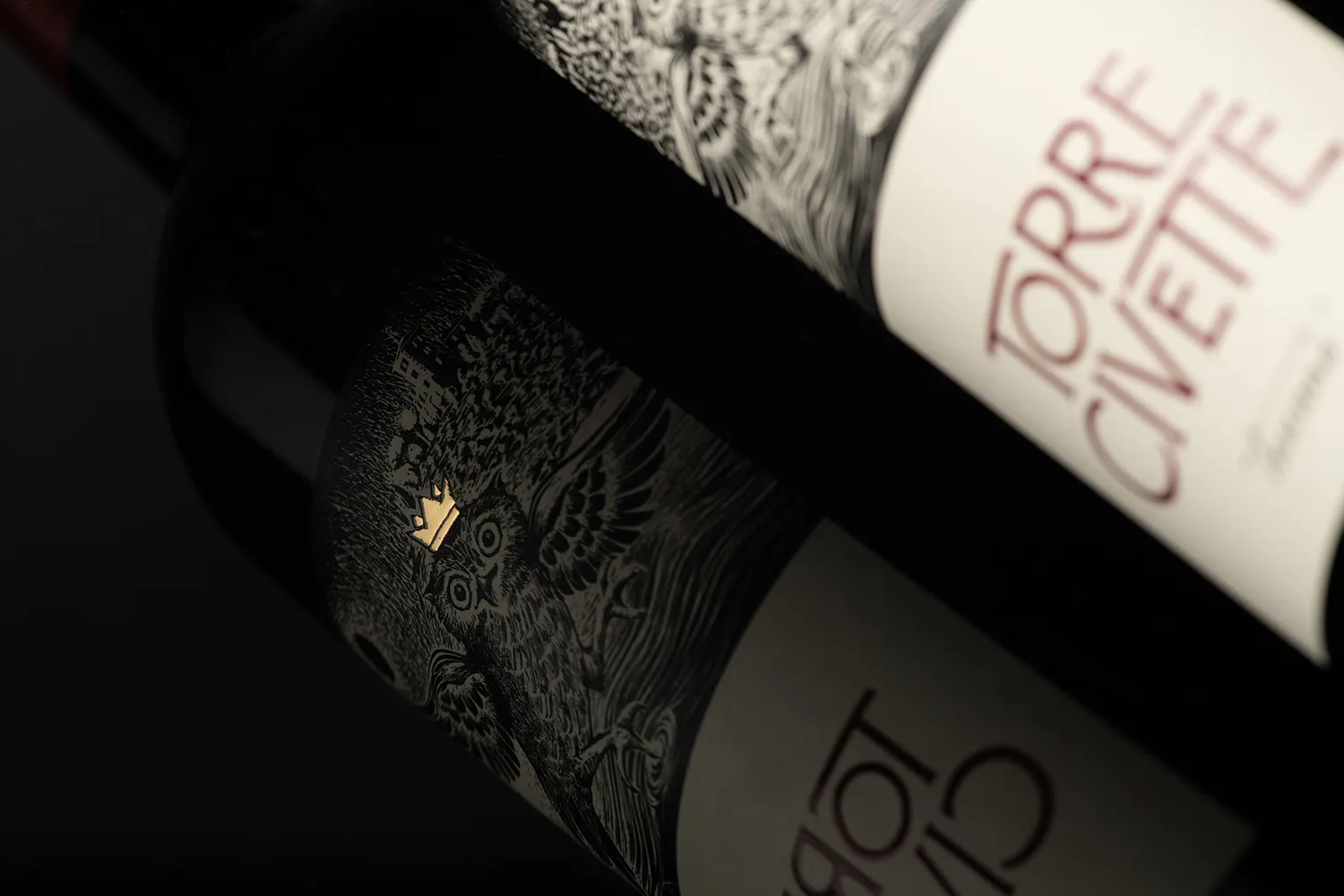
Across this land, people work in dialogue with nature. There is no imposition, only respect and harmony. Every farm activity fits into the landscape, preserving a rich, living ecosystem — a place where wildlife finds refuge and night raptors of the estate have chosen to remain as quiet witnesses.
Once a defensive outpost against threats from the sea, today Costa Oliva stands as a symbol of balance between past and present. It recalls Mediterranean raids, Etruscan passages and Risorgimento stories: Garibaldi himself, travelling from Cala Martina, is said to have passed the tower — perhaps with a glance, perhaps with a brief pause.
Today the tower no longer scans the horizon to defend — it looks to welcome.
It welcomes those who seek authenticity, who want to hear history's slow voice among the leaves, who wish to stay in a place where time truly changes pace.
The story of Costa Oliva is that of a land that has guarded its identity through the centuries, binding past and present in an inseparable bond.